BOTANICALS
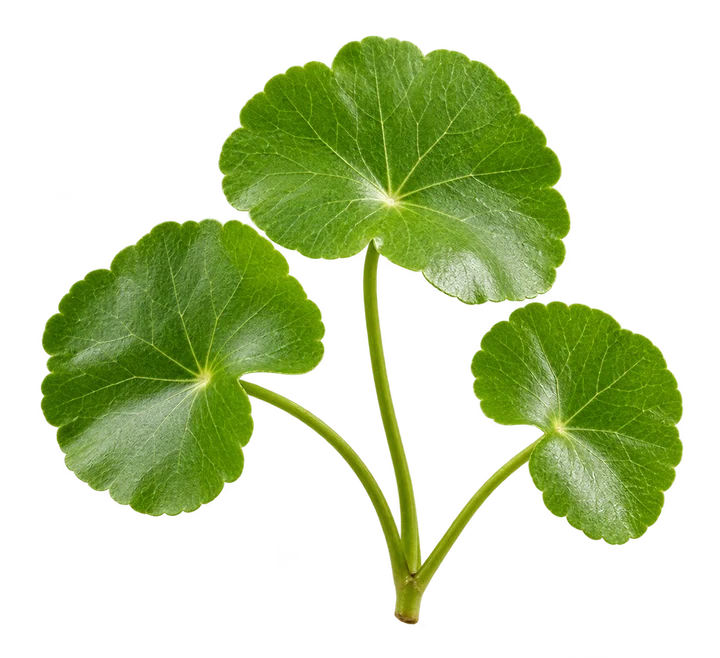
Centella / Cica
Centella asiatica, madecassoside, asiaticoside
- What it's used for
- Used in comfort-focused botanical skincare. Research includes skin-conditioning and wound-care contexts, which do not establish the effects of every cosmetic formula.
- Watch-outs & limits
- Botanical extracts can still cause sensitivity. The extract, concentration and complete formula matter.
- Indian climate & routine lens
- On humid days, consider a lightweight cica formula; in drier weather, assess the moisturiser around it.
In SKIN MATTERS Gentle Gel Cleanser
- What it is
- Gotu kola, also called mandukaparni or cica. A herb from India and East Asia.
- Role in the cleanser
- Included for its calming feel. Short contact time, so not a treatment.
- For Indian skin
- Helps with the flushed, prickly feel of heat, sweat and sun.
Evidence lens: Context-specific research · Read the source ↗
BOTANICALS
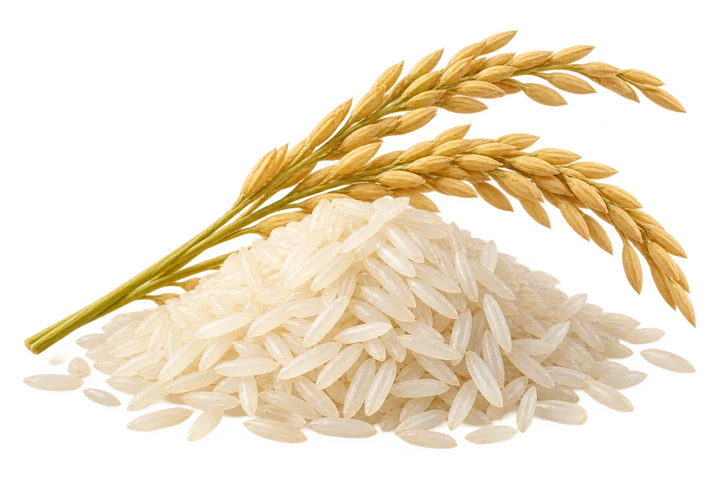
Rice Extract
Oryza sativa, rice bran, fermented rice
- What it's used for
- Used in skin-conditioning and hydration-focused products. Rice extract, rice oil and fermented rice are different ingredients, rather than interchangeable treatments.
- Watch-outs & limits
- A rice label does not guarantee brightening or pigmentation results. DIY rice water is not equivalent to a preserved cosmetic.
- Indian climate & routine lens
- Choose the finished texture for your weather and skin; a milky rice toner can feel different from a rice gel.
In SKIN MATTERS Gentle Gel Cleanser
- What it is
- Rice extract (Oryza sativa). Long used in East Asian and Indian skincare.
- Role in the cleanser
- Skin conditioning for a smooth, fresh feel. “Brightening” means fresh and clear, not lightening.
- For Indian skin
- Helps with the dull look dust, pollution and humidity leave by evening.
Evidence lens: Ingredient form matters · Read the source ↗
BOTANICALS

Heartleaf
Houttuynia cordata
- What it's used for
- A botanical commonly positioned for calming and hydration-focused care in K-beauty. Laboratory and traditional-use findings are different from proof for a finished facial product.
- Watch-outs & limits
- Heartleaf alone should not be treated as an acne medication. A high extract percentage is not a guarantee of better results.
- Indian climate & routine lens
- Look at the whole formula and texture, particularly if several layers feel sticky in humidity.
Evidence lens: Cosmetic positioning; limited generalisation · Read the source ↗
BOTANICALS

Mugwort
Artemisia extracts
- What it's used for
- A botanical used in comfort-focused essences and masks. Different Artemisia species and extracts are not the same ingredient.
- Watch-outs & limits
- Natural origin does not eliminate sensitivity risk. Check the full formula, including any fragrance.
- Indian climate & routine lens
- An essence can fit a simple routine; adding multiple botanical layers is optional, even on humid days.
Evidence lens: Botanical cosmetic use
BOTANICALS

Green Tea
Camellia sinensis, tea polyphenols
- What it's used for
- Contains polyphenols with antioxidant activity. A study of green-tea cosmetic formulations also found moisturising effects.
- Watch-outs & limits
- Green tea is not a replacement for sunscreen. Studies on particular formulas do not prove identical effects for all products.
- Indian climate & routine lens
- A lightweight green-tea product may be a comfortable texture choice in humidity; assess the whole routine.
Evidence lens: Formulation-specific human research · Read the source ↗
BOTANICALS
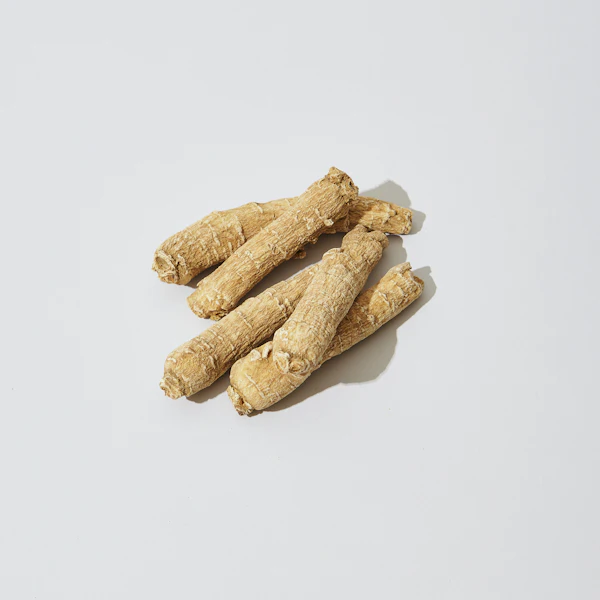
Ginseng
Panax ginseng, ginsenosides
- What it's used for
- A K-beauty botanical studied for antioxidant and skin-conditioning activity, including in laboratory models.
- Watch-outs & limits
- Cell and animal findings are not proof that a serum reverses ageing. Extract processing can change its composition.
- Indian climate & routine lens
- Decide by formula feel and your own tolerance, rather than expecting a plant name to solve a climate mismatch.
Evidence lens: Mostly preclinical/context-specific · Read the source ↗
BOTANICALS

Propolis
Bee-derived resin extract
- What it's used for
- Used in cosmetic formulas positioned for skin conditioning and a moisturised feel. Its composition depends on its botanical source.
- Watch-outs & limits
- Propolis can cause allergic contact dermatitis. It is bee-derived and is not a vegan ingredient.
- Indian climate & routine lens
- A rich, tacky propolis formula may feel heavy in humidity; choose the vehicle that feels comfortable to you.
Evidence lens: Sensitivity evidence matters · Read the source ↗
BOTANICALS

Birch Sap
Betula sap / juice
- What it's used for
- A plant-derived liquid used in hydration-positioned cosmetics. Its presence does not establish a specific clinical benefit for the entire product.
- Watch-outs & limits
- A sap percentage cannot tell you how moisturising or gentle a finished formula will be.
- Indian climate & routine lens
- Use texture and after-feel as routine cues. A sap label does not determine whether a cream suits a hot day.
Evidence lens: Cosmetic positioning
HYDRATION & BARRIER
Hyaluronic Acid
Sodium hyaluronate, HA
- What it's used for
- A humectant that attracts water. HA-containing moisturising formulas have been studied for skin hydration.
- Watch-outs & limits
- Molecular weight and the complete formula matter. A humectant serum is not always a complete moisturiser.
- Indian climate & routine lens
- In dry weather or air-conditioned rooms, consider the moisturiser around a hydrating layer; in humidity, avoid layers you don't need.
In SKIN MATTERS Gentle Gel Cleanser
- What it is
- Sodium hyaluronate. The salt form of a molecule your skin makes to hold water.
- Role in the cleanser
- Binds water while you wash. Skin does not feel dry or tight after.
- For Indian skin
- Light and oil-free. Works in humid weather and in dry AC.
Evidence lens: Human research on finished blends · Read the source ↗
HYDRATION & BARRIER
Ceramides
Ceramide NP, AP, EOP and other skin lipids
- What it's used for
- Ceramides are part of the skin's lipid structure. Ceramide-containing moisturisers have been studied for hydration and barrier support.
- Watch-outs & limits
- Ingredient presence alone does not establish a barrier-repair claim. A cleanser and a leave-on moisturiser are different uses.
- Indian climate & routine lens
- Look for a vehicle that fits your weather: a fluid or gel-cream may feel different from a rich cream.
Ceramide NP in SKIN MATTERS Gentle Gel Cleanser
- What it is
- A lipid found naturally in your skin. Part of the barrier that keeps water in and irritants out.
- Role in the cleanser
- Offsets some of the lipids washing removes. Leaves skin supple, not squeaky. Support, not repair.
- For Indian skin
- Heat, sweat and daily sunscreen mean 2+ washes a day. Gentleness adds up.
Evidence lens: Finished-moisturiser clinical evidence · Read the source ↗
HYDRATION & BARRIER
Panthenol
Provitamin B5
- What it's used for
- A humectant and skin-conditioning ingredient. Panthenol-containing leave-on formulations have shown moisturising and barrier-related effects in human studies.
- Watch-outs & limits
- The tested concentration and vehicle matter; results from a leave-on study cannot automatically be applied to a rinse-off product.
- Indian climate & routine lens
- Consider the full product's texture and how it layers with your moisturiser and sunscreen.
In SKIN MATTERS Gentle Gel Cleanser
- What it is
- Provitamin B5. A humectant: attracts and holds water.
- Role in the cleanser
- Helps skin hold water during and after the wash. Gives a soothing feel.
- For Indian skin
- Adds water without adding oil. Suits humid outdoors and dry AC.
Evidence lens: Concentration-specific human research · Read the source ↗
HYDRATION & BARRIER

Beta-Glucan
β-glucan; cereal, fungal or yeast-derived polysaccharides
- What it's used for
- Used in hydration and comfort-focused skincare. Research includes formulated regimens used after professional procedures.
- Watch-outs & limits
- Sources and structures vary. Post-procedure research does not prove that every everyday serum performs the same way.
- Indian climate & routine lens
- As with other hydrating layers, choose a texture that stays comfortable in your actual environment.
Evidence lens: Context-specific clinical evidence · Read the source ↗
HYDRATION & BARRIER

Snail Mucin
Snail secretion filtrate
- What it's used for
- An animal-derived filtrate used in moisturising and skin-conditioning formulas. Clinical studies often test multi-ingredient finished blends.
- Watch-outs & limits
- It is not vegan, and reactions are possible. Findings on a combination serum do not isolate the effects of snail filtrate alone.
- Indian climate & routine lens
- Notice tackiness and layer count in humid weather; more mucin is not automatically a better routine.
Evidence lens: Limited blend-specific clinical evidence · Read the source ↗
HYDRATION & BARRIER

Fermented Ingredients
Galactomyces, bifida and other ferment filtrates
- What it's used for
- Ferment filtrates are used in skin-conditioning products. Research explores particular filtrates; fermentation is a processing method, not one universal ingredient.
- Watch-outs & limits
- Different ferments are not interchangeable. The word fermented does not guarantee better absorption, gentleness or results.
- Indian climate & routine lens
- Keep only the layers that suit your skin and feel comfortable under moisturiser or sunscreen.
Evidence lens: Ingredient-specific laboratory research · Read the source ↗
ACTIVES

Niacinamide
Vitamin B3
- What it's used for
- Some topical formulations have evidence for effects on sebum and skin appearance. It is also used in barrier-focused skincare.
- Watch-outs & limits
- Higher percentages are not automatically more useful. Introduce actives gradually and assess your own tolerance.
- Indian climate & routine lens
- A suitable lightweight formulation can fit an oily-skin routine; the vehicle and concentration matter more than the trend.
Evidence lens: Concentration-specific human research · Read the source ↗
ACTIVES

Peptides
Different short amino-acid chains
- What it's used for
- Peptides are a broad family used in cosmetic formulas. Their intended role depends on the specific peptide and formulation.
- Watch-outs & limits
- A claim about one peptide cannot be transferred to every peptide serum. Ask which ingredient was actually studied.
- Indian climate & routine lens
- Choose a formula that layers comfortably in your climate, rather than adding an extra serum solely for its label.
Evidence lens: Peptide-specific evidence needed
EMERGING

PDRN / Polynucleotides
Polydeoxyribonucleotide; PN
- What it's used for
- An emerging cosmetic category with interest in skin-conditioning and rejuvenation-related applications.
- Watch-outs & limits
- Injection, microneedling and medical-treatment evidence should not be presented as proof for an ordinary topical serum. Sources and molecular forms vary.
- Indian climate & routine lens
- No blanket advantage for Indian heat or humidity is established. Judge the finished formula and its own evidence.
Evidence lens: Do not extrapolate across delivery methods · Read the source ↗
EMERGING

Spicules
Sponge-derived microscopic structures
- What it's used for
- Used in some products marketed around skin texture and delivery. They are a different category from a simple hydrating essence.
- Watch-outs & limits
- A tingling sensation is not proof of benefit. Avoid assuming that a trend-led product is suitable for reactive skin or for use with every active.
- Indian climate & routine lens
- Heat or humidity does not by itself justify an intensive product. Follow product instructions and get professional guidance for persistent concerns.
Evidence lens: Finished-product evidence essential

